
 Check-ups & cleans
 Same-day crowns
 Dental implants
 Clear aligners & Invisalign
 Emergency dentist Canberra
 Kids' dentistry
 Teeth whitening
 Root canal treatment
 Wisdom teeth removal
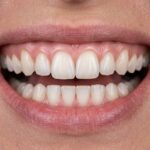
Professional teeth whitening can lighten natural tooth colour, but it is important to have your teeth and gums checked first. Whitening isn’t suitable for everyone, and it doesn’t change the colour of fillings, crowns or veneers.
In-chair whitening
In-chair whitening is done at the clinic in a single appointment. Your gums are protected and a professional-strength gel is applied to the teeth.
Take-home whitening
Take-home whitening uses custom-made trays and a lower-strength gel worn for a set time each day over one to two weeks. It allows a more gradual change, and the trays can be used for top-ups later.
Sensitivity
Temporary sensitivity and gum irritation are common with both methods and usually settle within a few days. Let us know if your teeth are already sensitive.
Making results last
- Limit coffee, tea, red wine and other strongly coloured food and drinks
- Don’t smoke
- Keep up regular check-ups and cleans
Results vary from person to person and fade over time. See our teeth whitening page to learn more.
Is whitening right for you?
Whitening works on natural tooth enamel. It does not change the colour of fillings, crowns, veneers or dentures, so if you have visible restorations at the front of your mouth they may not match after treatment. Whitening is usually not recommended during pregnancy or breastfeeding, and any decay, cracked teeth or gum problems should be treated first. A check-up before whitening helps make sure the treatment is suitable.
Why professional whitening is different
Professional products are supplied and supervised by a dental practitioner, who can check your teeth and gums first, protect the gums during in-chair treatment and fit custom trays for home use. Over-the-counter products in Australia are limited to lower concentrations, and poorly fitting trays can let gel contact the gums.
What results to expect
The amount of lightening varies between people and depends on the starting shade and the cause of the staining. Yellowish discolouration often responds better than grey or brown staining. Your dentist can discuss realistic expectations and alternatives, such as veneers or bonding, if whitening is unlikely to give the result you want.
Frequently asked questions
Does whitening damage enamel?
When used as directed under dental supervision, whitening is generally considered safe for enamel. Temporary sensitivity is the most common side effect.
How long does whitening last?
Results fade gradually. Coffee, tea, red wine and smoking can shorten them, and occasional top-ups with take-home trays may be suggested.
Can I whiten crowns or veneers?
No. Whitening gel only affects natural teeth. Existing restorations may need to be replaced to match a new shade.
Related reading
Questions? Call Glebe Park Dental on (02) 6295 9460 or book online. We are at 188/15 Coranderrk Street, Canberra City, open Monday and Friday 9:00am–5:00pm, Tuesday to Thursday 8:00am–5:00pm and Saturday 9:00am–3:00pm.
This article is general information only and is not a substitute for advice from your dentist. Any surgical or invasive procedure carries risks. Before proceeding, you should seek a second opinion from an appropriately qualified health practitioner.